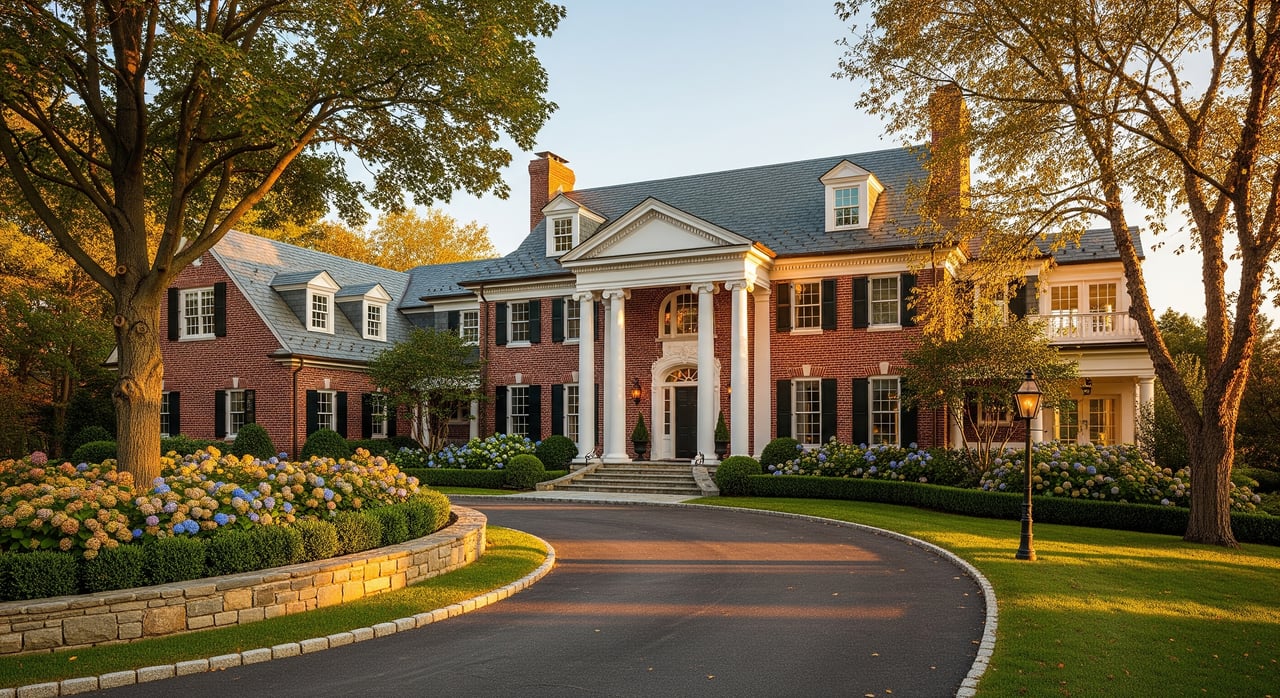
Thinking about moving to Newton, MA? You are not alone. This city just west of Boston blends village charm with everyday convenience, which is why it stays on so many short lists. In this guide, you will learn how Newton’s villages work, what types of homes you will find, commute options, and the practical tradeoffs that help you choose the right fit. Let’s dive in.
Newton at a glance
Newton sits immediately west of Boston and is part of Middlesex County. You will find mature, tree‑lined streets and a mix of Victorian, Colonial, Tudor, and mid‑century homes. Village centers act as small downtowns for shopping, dining, and services. Many buyers come for proximity to Boston, local parks, and everyday conveniences.
Newton’s villages explained
Instead of one downtown, Newton is organized around village centers. These include Auburndale, Chestnut Hill, Newton Centre, Newton Corner, Newton Highlands, Newton Upper Falls, Newton Lower Falls, Newtonville, Nonantum, Oak Hill, Thompsonville, Waban, and West Newton. Each has a different feel and level of walkability. Denser hubs like Newton Centre, West Newton, and Newtonville put you close to cafés, shops, and transit, while quieter areas like Waban, Oak Hill, and Thompsonville feel more residential.
Why villages matter
Your village choice will shape daily life. It influences walkability to shops and parks, access to MBTA service, and local parking rules. It can also affect school assignments within the Newton Public Schools system. If you want condo options and a quick coffee run, focus near village centers. If you want more yard space, look to single‑family pockets a bit farther from the hubs.
Housing types and what to expect
You will see a mix of single‑family homes, condos, townhomes, and some multi‑family buildings. Single‑family homes vary from larger historic properties on generous lots to modest bungalows. Condos and townhomes cluster near village centers and transit, which suits buyers who want lower maintenance and walkable amenities. New construction appears as infill or tear‑downs, and renovation potential is common in older homes.
Market context
Newton is one of the higher‑priced suburban markets in Greater Boston. Demand is strong and inventory can feel tight in popular villages. Homes near the MBTA Green Line D branch, the Mass Pike, Route 9, and major village centers often command premium prices. Be prepared to act decisively when a well‑located property checks your boxes.
What drives price and costs
Beyond the purchase price, you will budget for property taxes, insurance, and maintenance. Because property values are high, annual tax bills can be significant even when the rate itself is similar to nearby towns. Condo fees vary and may include common‑area maintenance, insurance, and sometimes heat or hot water. Older homes can carry higher upkeep costs for roofs, windows, and systems, while larger lots increase landscaping needs.
Commute options into Boston
Newton offers multiple ways to get into Boston or across the region. The MBTA Green Line D branch serves several villages and connects to Back Bay and downtown Boston. MBTA bus routes and nearby commuter rail options add flexibility. Driving via the Massachusetts Turnpike, Route 9, or I‑95/Route 128 is straightforward, with typical drive times to downtown of about 20 to 45 minutes depending on traffic.
Practical commute tips
- Decide on your primary mode early: transit, driving, or a mix.
- If transit is key, look for homes within a short walk of a Green Line stop or a reliable bus corridor.
- Test your door‑to‑door commute during peak hours. Parking availability at stations and village streets can vary by permit rules and snow season.
Parks, recreation, and daily life
Newton’s outdoor scene is a quiet strength. Hemlock Gorge Reservation and Echo Bridge in Upper Falls offer scenic trails along the river. Crystal Lake provides seasonal beach access in warmer months. Smaller neighborhood parks, playgrounds, and greenways are spread across the city, and the Charles River corridor adds running, rowing, and biking options.
For errands, village centers provide cafés, restaurants, and services. Larger grocery stores and national retailers are available in and near Chestnut Hill and along major corridors. Health care is anchored by Newton‑Wellesley Hospital, with many primary care and specialty clinics nearby.
Schools and services overview
Newton Public Schools includes multiple elementary and middle schools and two public high schools. School assignments depend on your address, so confirm with the district when evaluating a property. Private and parochial options also operate in and around the city. Higher‑education neighbors include Boston College near Chestnut Hill and Lasell University in Newton.
On the municipal side, zoning and building permits are handled by the City of Newton. Some neighborhoods fall under local historic district rules, which can influence exterior changes. Snow removal, on‑street parking restrictions, and trash and recycling schedules vary by location, so plan for winter logistics and weekly routines.
Practical home‑search tradeoffs
Choosing between a single‑family and a condo often comes down to lifestyle and budget. Single‑family homes offer more space, yards, and privacy but come with full maintenance and typically higher carrying costs. Condos reduce maintenance and put you closer to transit and shops, though you will weigh monthly HOA fees and have less control over the exterior. Your commute needs and preferred proximity to parks or village life can tip the scales.
A quick checklist for Newton buyers
- Confirm school assignments for the exact address you are considering.
- Walk or drive the village during commute times to gauge traffic, parking, and noise.
- Verify parking rules, including any residential permit requirements near MBTA stops.
- Ask about typical utility costs, recent improvements, and any condo assessments.
- Check zoning and historic district status if you plan renovations or additions.
Next steps
If Newton fits your lifestyle, the next move is to narrow villages that match your commute, housing type, and budget. Preview listings, track days on market, and tour at different times of day to get a feel for each block. When you are ready for a clear plan and a calm, experienced advocate, connect with Ned O’Neill for personalized guidance on neighborhoods, pricing, and a smooth path from search to close.
FAQs
How is Newton organized for everyday life?
- Newton is built around distinct village centers that concentrate shops, restaurants, transit access, and services, which shape walkability and daily routines.
What types of homes are most common in Newton?
- You will find many single‑family homes plus condos and townhomes near village centers, with some multi‑family properties and periodic new construction.
How long is the commute from Newton to downtown Boston?
- Commute times range widely by mode and village; Green Line D trips can be competitive, and driving varies from about 20 to 45 minutes depending on traffic.
What should I budget for beyond the purchase price?
- Plan for property taxes, homeowners insurance, utilities, and maintenance; condos add monthly HOA fees that cover shared costs and sometimes utilities.
Are there rules that affect renovations in Newton?
- Yes. Zoning and permitting apply citywide, and certain areas have historic district rules that can influence exterior changes, so always verify before starting.
Should I buy a condo or a single‑family in Newton?
- Choose based on maintenance tolerance, desired space and yard, HOA fees, and your priorities for transit access, village walkability, parks, and schools.